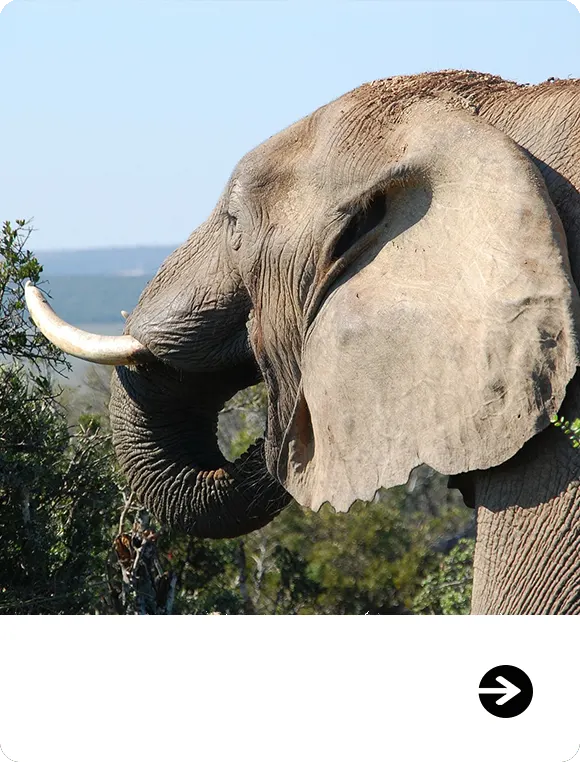
Conservation and Community
Sustainable hunting is the most effective form of wildlife conservation in Africa.
Enquire NowWhy Hunting Conserves
In the remote wilderness areas of Zimbabwe and Tanzania, trophy hunting is the primary economic justification for keeping vast tracts of land as wildlife habitat. Without the revenue that hunting generates, these concessions would be converted to agriculture or settlement, and the wildlife would disappear. The equation is simple: where wildlife has economic value, communities protect it.
CAMPFIRE Programme
Zimbabwe's Communal Areas Management Programme for Indigenous Resources (CAMPFIRE) is one of Africa's most successful conservation models. It places wildlife management in the hands of rural communities, who directly benefit from hunting concession fees, employment, and meat distribution. Brian Van Blerk operates within CAMPFIRE areas and is a strong advocate for the programme.
Through CAMPFIRE, communities that once lost livestock and crops to wildlife now have a financial stake in protecting those same animals. Schools, clinics, and boreholes are funded by safari revenue. The result is a dramatic reduction in poaching and a genuine incentive for coexistence between people and wildlife.
Anti-poaching and Fair Chase
Brian Van Blerk Safaris operates exclusively on fair chase principles. Every animal is hunted on foot, in free-range conditions, with no fences, no baited enclosures, and no shortcuts. Brian's team works closely with local game scouts and anti-poaching units to maintain the integrity of the concessions he operates in.
Professional hunting outfitters are often the first line of defence against commercial poaching in remote areas. The presence of a safari camp, with staff, vehicles, and scouts, creates a permanent anti-poaching patrol that would not exist without hunting revenue.