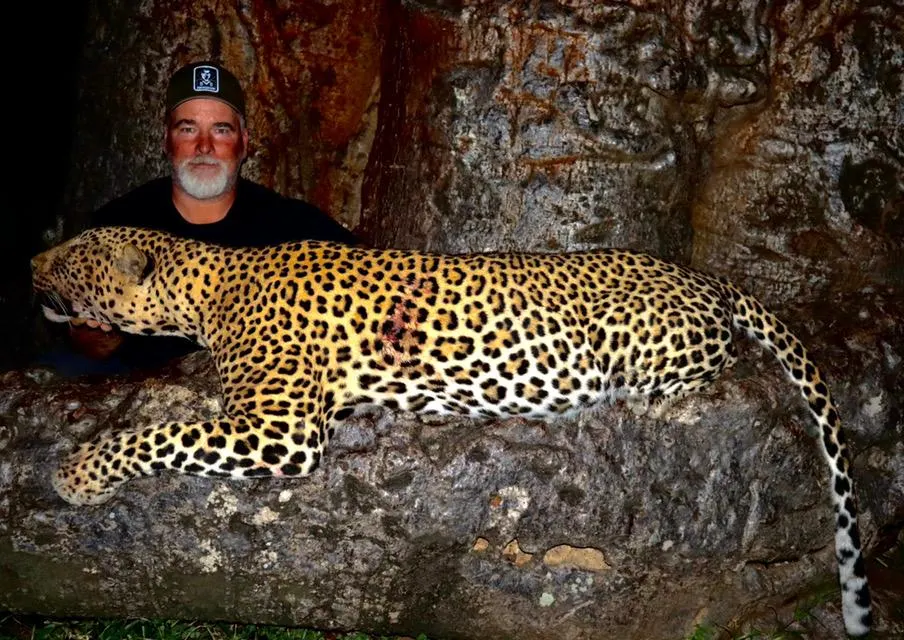
Leopard Hunting Zimbabwe
Hunt leopard with "The Catman," Brian Van Blerk. 136+ leopards. 37 years of expertise.
Enquire NowLeopard hunting in Zimbabwe is a pursuit that demands extraordinary patience, skill, and local knowledge. Brian Van Blerk, known throughout Africa as "The Catman," has harvested more than 136 leopards across his 37-year career, making him one of the most experienced leopard hunters alive.
The Catman: Brian Van Blerk and the Art of Leopard Hunting
Leopard hunting in Zimbabwe with Brian Van Blerk is not simply a safari. It is a masterclass in patience, bushcraft, and predator behaviour from a man who has dedicated his life to understanding and hunting Africa's most elusive big cat. With 136+ leopards harvested over a career spanning 37 years, Brian has earned the nickname "The Catman," a title that reflects both his extraordinary record and his deep, personal connection to the species.
Brian's relationship with leopard began in his earliest days as an apprentice hunter. Before earning his professional hunter's licence, he spent years on Problem Animal Control (PAC) operations in the Zimbabwe lowveld, tracking and dispatching cattle-killing leopards for farming communities. Those PAC years were raw and unforgiving. There was no blind, no bait, no comfortable chair. Brian walked into thick jesse bush after wounded or stock-raiding cats, learning by experience how leopard think, move, and react when cornered. That education, earned in sweat and adrenaline, is the foundation of everything he brings to a leopard hunt today.
The Baiting Strategy
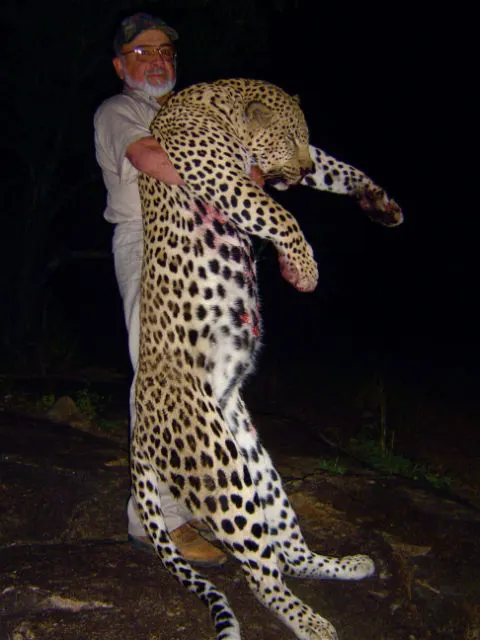
Leopard hunting in Zimbabwe is conducted over bait. The process begins days before any shot is fired. Brian and his trackers scout the concession for leopard sign: tracks, scrape marks, territorial scent markings, and kills. Once productive areas are identified, impala or other game is hung in trees at carefully selected sites, positioned to give the leopard confidence while providing the hunter with a clear shooting lane.
Bait placement is an art. Brian considers wind direction, approach routes, the height and angle of the bait in the tree, surrounding cover, and the position of the blind. Every detail matters. A bait hung too high will be ignored. A blind placed too close will be detected. Wind that carries human scent to the approach trail will send a wise tom circling for weeks without committing.
Once baits are set, the waiting begins. Brian checks each site daily, looking for signs of activity: claw marks on the trunk, hair caught on bark, feeding patterns that indicate a tom rather than a female. This reconnaissance phase can take five to ten days. Brian refuses to rush it. "You cannot force a leopard to make a mistake," he says. "You can only create conditions where a big tom feels safe enough to come in, and then be ready when he does."
The Moment in the Blind
When a suitable tom is confirmed on bait, Brian builds a ground blind within shooting distance, typically 20 to 40 metres. The blind is constructed from natural materials, carefully positioned to account for afternoon shadow, wind direction, and the leopard's expected approach route.
The wait in the blind is where leopard hunting tests a hunter's nerve. You enter the blind in the early afternoon, settle in, and wait. Hours pass. The bush sounds change as the light fades. Every crack of a twig, every alarm call from a francolin, sends a jolt of adrenaline. And then, if the preparation has been right, a leopard materialises. Not with a grand entrance, but simply appearing on the bait tree as if it had always been there.
Brian coaches his clients through these final moments with calm, quiet authority. The shot must be placed precisely. Leopard are tough, compact animals with dense bone structure protecting vital organs. A poorly placed shot means a wounded leopard in thick bush at last light, one of the most dangerous situations in all of hunting. Brian's experience ensures that this moment, the culmination of days of preparation, is handled with the skill and composure it demands.
Ranchland Leopard: Brian's Favourite Hunt
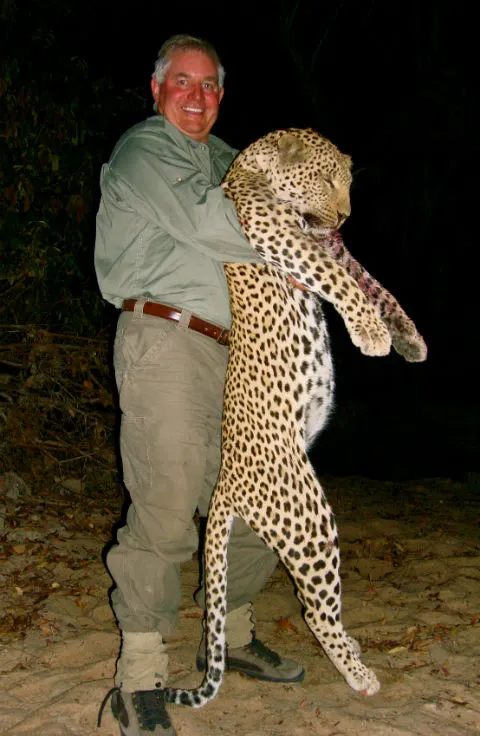
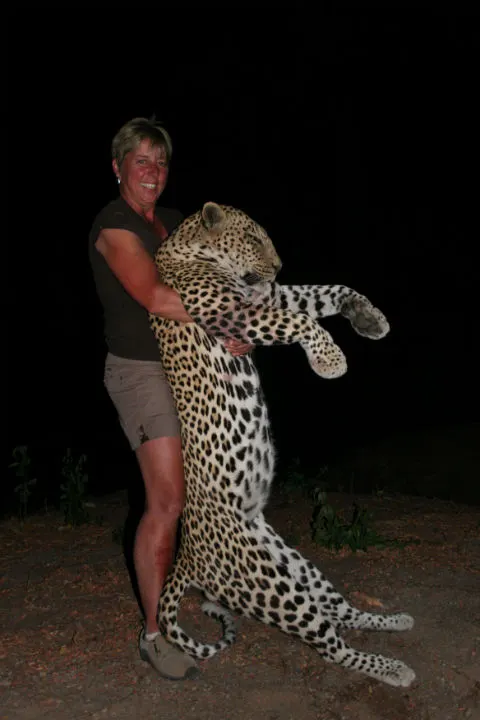
When asked about his favourite species, Brian does not hesitate: the ranchland leopard. These are cats that live on the margins of agricultural land, feeding on livestock and game in areas where human activity is constant. They are educated, cautious, and extremely difficult to hunt.
Ranchland leopard have learned to avoid humans. They feed at night, travel along established routes that minimise exposure, and can detect the slightest abnormality in their environment. Hunting them requires even greater patience and skill than hunting bush leopard in wild concessions. Brian's PAC background makes him uniquely qualified for this work. He understands how these animals think because he has been studying and hunting them since he was a teenager.
Why Brian Van Blerk for Leopard
The numbers alone tell part of the story: 136+ leopards over 37 years is a record that very few professional hunters alive today can approach. But numbers do not capture the depth of knowledge and instinct that Brian brings to every leopard hunt.
His early PAC years gave him an education in leopard behaviour that no PH training course can replicate. His decades of experience across multiple concessions in Zimbabwe and Tanzania have exposed him to every possible scenario: the tom that circles the bait for two weeks before committing, the aggressive female that defends her cubs on the approach, the wounded cat in thick cover at last light. Brian has seen it all and handled it all.
His head tracker, Albert Ndlovu, adds another dimension. Albert's ability to read leopard tracks and sign in impossible conditions, distinguishing a feeding tom from a passing female, ageing tracks to the hour, reading scrape marks that most people would walk past, is a skill honed over 16 years at Brian's side. Together, Brian and Albert form one of the most effective leopard hunting teams working in Africa today.
For any hunter serious about pursuing leopard in Zimbabwe, there is simply no better professional hunter to have in your corner than Brian Van Blerk. The Catman.
How to Book This Hunt
- 1Contact Brian via the enquiry form, WhatsApp, or email to discuss your goals and preferred dates.
- 2Brian will recommend the best concession, duration, and combination for your safari.
- 3All logistics are handled: permits, charter flights, firearm import, and camp preparation.
- 4Arrive in Africa, meet the team, and head into the bush.